What Are the Most Popular Yemeni Dishes? Top 5 Traditional Foods to Try
July 16, 2026
Mandi vs Biryani: A Food Lover’s Guide to Choosing the Perfect Dish
July 25, 2026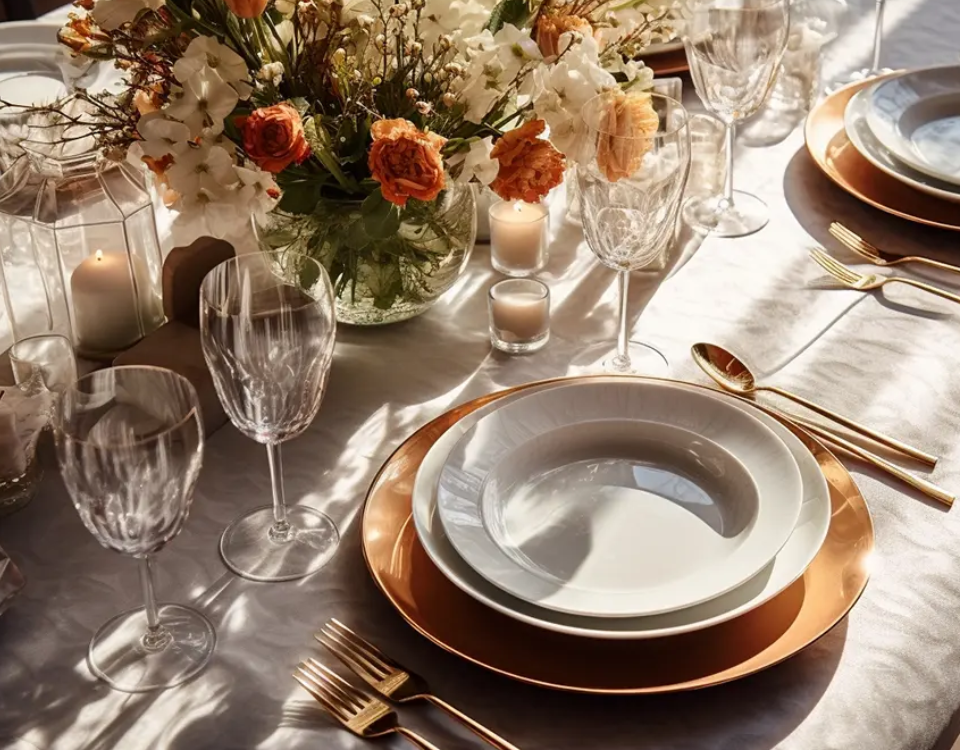
Walking into a restaurant, attending a wedding dinner, meeting clients over lunch, or sharing a family meal, your table manners often leave a stronger impression than your words. Good dining etiquette isn’t about appearing formal or following outdated rules.
It’s about showing respect for the people you’re dining with, appreciating the food being served, and creating a comfortable experience for everyone at the table. After serving thousands of guests at Mandi Guys, we’ve seen how thoughtful dining habits enhance every meal.
So, Whether you’re preparing for a formal dinner, hosting a family gathering, or sitting down to share an authentic Yemeni feast at Mandi Guys in London, Ontario, the way you carry yourself at the table says something. This guide covers everything you need to know about dining etiquette done right.
Why Dining Table Etiquette Still Matters Today?
Many people assume table manners are only important in luxury restaurants. In reality, dining etiquette influences nearly every social and professional setting.
Whether you’re enjoying dinner with family, attending a wedding reception, hosting clients, or visiting a restaurant for the first time, good etiquette demonstrates respect, confidence, and consideration.
As restaurant owners, we’ve noticed something interesting over the years. Guests who understand basic dining etiquette usually enjoy a more relaxed experience because they feel comfortable throughout the meal. Likewise, courteous diners also make the experience more enjoyable for staff and fellow guests.
Good etiquette is not about perfection, it’s about awareness.
What Is Dining Table Etiquette?
Dining table etiquette refers to the accepted behaviors, manners, and customs people follow while eating with others.
These include:
- Proper use of utensils
- Sitting posture
- Respectful conversation
- Appropriate eating pace
- Hygiene
- Courtesy toward servers
- Respect for hosts and guests
Dining etiquette varies across cultures, but the underlying principle remains the same:
Show respect for people, food, and the shared dining experience.
Understanding the Formal Table Setting
Most people encounter formal table settings at weddings, corporate dinners, or upscale restaurants. Understanding what goes where removes the anxiety of not knowing which fork to use.
The Basic Formal Place Setting
- Dinner plate: centred in front of the diner, often with a charger plate beneath it at formal events
- Forks: to the left of the plate. Salad fork on the outside, dinner fork closest to the plate
- Knives: to the right of the plate, blade facing inward. Dinner knife closest, fish knife if included
- Spoons: to the right of the knives. Soup spoon on the far right
- Dessert utensils: placed horizontally above the plate fork handle left, spoon handle right
- Bread plate: upper left of the dinner plate, small butter knife resting on it
- Glasses: upper right. Water glass closest to the plate, wine glasses extending outward
- Napkin: on the plate, in the centre, or to the left of the forks
The Golden Rule of Cutlery
Work from the outside in. The utensil farthest from your plate is used first, typically the salad fork and soup spoon. Move inward with each course.
If you’re ever uncertain, watch your host and follow their lead.
Informal vs Formal Settings
Not every meal calls for a full formal setting. An informal table setting typically includes one fork to the left, one knife and spoon to the right, a single water glass, and a napkin on the plate or to the left of the fork.
At casual meals including family-style dining at restaurants like Mandi Guys where food arrives on shared platters formal cutlery rules relax considerably. The etiquette shifts to interpersonal: take your fair share, pass dishes with care, and ensure everyone is served before you start eating.
Napkin Etiquette: The Basics Everyone Gets Wrong
The napkin is the first thing you touch when you sit down and most people use it incorrectly.
What to Do With Your Napkin
- Unfold it as soon as you’re seated and place it on your lap, folded in half with the fold toward you
- Use it to dab not wipe your mouth before drinking
- If you leave the table temporarily, place the napkin loosely on your chair, never on the table mid-meal
- At the end of the meal, place it loosely to the left of your plate not folded neatly, not crumpled
What Not to Do
- Never tuck the napkin into your collar
- Don’t blow your nose into a cloth napkin at the table excuse yourself
- Don’t use the napkin to wipe utensils if your cutlery is dirty, ask for a replacement
Posture and Behaviour at the Dining Table
How you sit and carry yourself at the table is noticed even when no one appears to be watching.
1. Posture
- Sit up straight without being rigid. Lean slightly toward the table engaged, not hunched
- Keep both feet on the floor
- Keep elbows off the table while eating. Between courses, resting your forearms on the edge is acceptable in casual settings
- Bring the food to your mouth don’t bend down to meet it
2. Phone and Device Etiquette
Your phone goes away during a meal. Face down, pocket, or bag not on the table. Checking it mid-conversation signals that whoever is speaking to you is less important than your screen. In a professional context, this is a serious social mistake.
If you’re expecting an urgent call, acknowledge it at the start: “I may need to step away. I’m waiting on something important.” That’s considerate. Silently scrolling between bites is not.
3. Starting the Meal
In formal settings and in many cultures including Middle Eastern dining traditions you wait for the host to signal the start of the meal before eating.
In Yemeni dining culture, meals often begin with Bismillah said before eating as an expression of gratitude. At communal restaurants like Mandi Guys, this tradition reflects how food was always intended to be shared: with intention and company.
Cutlery Etiquette: How to Use Every Piece Correctly?
Holding Cutlery Correctly
The continental method is the standard in formal settings:
- Fork in the left hand, tines facing down, held like a pen
- Knife in the right hand, index finger extended along the top of the blade
- Cut one piece at a time don’t cut the entire portion first, then switch hands
The American method of cutting with the knife, then switching the fork to the right hand to eat is also acceptable, but the continental method is preferred in formal settings.
Resting and Finished Signals
- Resting (not finished): fork and knife in a V shape on the plate, tips toward 10 o’clock
- Finished: fork and knife parallel at the 10 and 4 position, tines up, blade facing inward
- Never place used cutlery back on the tablecloth
Soup Spoon Etiquette
- Spoon away from you scoop by moving the spoon outward, not toward you
- Sip from the side of the spoon don’t put the whole bowl in your mouth
- Never blow on soup to cool it. Tilt the bowl away and let it cool naturally
- Don’t leave the spoon in the bowl rest it on the plate beneath
How to Eat Specific Foods at the Table?
Some foods come with unspoken rules that trip people up. Here’s how to handle them gracefully.
Bread and Rolls
- Break bread with your hands never cut a roll with a knife
- Tear off one small piece at a time before buttering. Don’t butter the whole roll at once
- Butter goes from the dish to your bread plate first, then onto the bread
Pasta
- Twirl pasta with a fork don’t use a spoon as a platform at a formal dinner
- Don’t slurp. In most Western and Middle Eastern contexts, slurping is considered rude
Shared and Family-Style Dishes
Family-style dining where large platters are shared across the table is common in many cuisines. Yemeni food at Mandi Guys is typically served this way: mandi lamb, madfoon chicken, and rice arrive on generous shared platters. Here’s how to handle it well:
- Wait for everyone to be served before eating from a shared platter
- Use the serving spoon provided not your personal fork or spoon
- Take a moderate portion first. You can always have more
- Pass dishes to the right unless there’s a natural flow established
- Don’t reach across others ask for the dish to be passed
At Mandi Guys, we serve food the way it’s meant to be eaten in Yemeni culture on communal platters that invite sharing and conversation. The etiquette of communal dining isn’t about rules. It’s about making sure everyone at the table feels welcomed and fed.
Fish and Bones
- Remove bones discreetly using your fork and finger not directly from mouth to hand
- If fish is served whole, use a fish knife and fork to separate flesh from bone cleanly
Conversation Etiquette at the Dining Table
Food is only half the meal. The conversation is the other half and it has its own etiquette.
The Basics
- Don’t speak with food in your mouth
- Chew with your mouth closed
- Don’t interrupt wait for a natural pause before entering the conversation
- Make eye contact when speaking
- Avoid controversial topics at formal or professional dinners: politics, religion, personal finances
Topics That Work Well
- The food itself asking about dishes and ingredients is always appreciated
- Travel and places
- Shared experiences with others at the table
- Light professional updates
Being a Good Listener
Dining conversation is not a monologue. The mark of good company at a dinner table is someone who asks questions, listens genuinely, and gives others space to speak.
If you find yourself dominating the conversation, redirect. Ask someone else a question. Dining etiquette extends to emotional generosity, not just fork placement.
Host Etiquette: How to Run a Table Well?
Before the Meal
- Confirm dietary restrictions in advance halal requirements, vegetarian preferences, allergies
- Set the table before guests arrive
- Greet guests individually and introduce people who don’t know each other
- Seat guests intentionally place people near others they’ll connect with
During the Meal
- Serve guests before serving yourself always
- Ensure glasses are refilled without guests having to ask
- Steer conversation if it stalls, ask a question; if it becomes uncomfortable, redirect
If you’re planning a catered event and want your guests to have a memorable experience, Mandi Guys’ catering services in London, ON handle weddings, corporate events, Eid celebrations, and private dinners freeing you to focus on being a present and attentive host.
Ending the Meal
- Signal the end by placing your napkin loosely on the table and beginning to stand
- Thank guests individually before they leave
- In a restaurant setting, the host pays the bill discreetly arrange this ahead of time
Guest Etiquette: How to Be a Guest People Invite Back?
Arriving and Seating
- Arrive on time. A sit-down dinner has timing fashionably late is inconsiderate
- Wait to be shown to your seat unless invited to choose
At the Table
- Compliment the food genuinely ask about dishes, express appreciation for specifics
- Don’t criticise the food. If something doesn’t suit you, eat around it quietly
- Offer to help clear up. Even if the host declines, the gesture is noticed
Dietary Restrictions as a Guest
Tell the host in advance. Announcing restrictions at the table puts everyone in an awkward position.
This is especially important at culturally specific events. If you’re attending a Ramadan gathering or Eid celebration where halal food is the standard, understanding and respecting the food customs shows genuine cultural awareness.
Cultural Dining Etiquette: What You Need to Know?
Canada is one of the most culturally diverse countries in the world. Dining etiquette varies significantly across traditions and knowing the basics shows respect.
Middle Eastern and Yemeni Dining Etiquette
- Food is served on shared platters at the centre of the table everyone eats from the communal dish
- Meals often begin with Bismillah before eating
- The right hand is traditionally used for eating in Islamic culture
- Generosity is a core value hosts will continuously offer more food. Refusing politely once is fine; refusing repeatedly can seem rude
- Guests are typically served the best portions first
- Silence during eating can signal appreciation for the food it’s not awkward
When dining at Mandi Guys for the first time, understanding these traditions transforms a simple meal into a cultural experience. This guide to your first visit walks you through everything.
East Asian Dining Etiquette
- Never stick chopsticks upright in rice this resembles funeral incense and is deeply offensive
- Pouring tea for others before yourself is a sign of respect
- Tapping two fingers on the table is a silent thank-you gesture in Chinese dining culture
South Asian Dining Etiquette
- Eating with the right hand is traditional many dishes are eaten without cutlery
- Hosts insist on feeding guests generously declining all offers repeatedly can seem rude
- Shoes are often removed before entering a home where food is being served
European Formal Dining
- Continental cutlery style is universal across formal European settings
- Elbows strictly off the table while eating
- Wine is poured for others before yourself the host pours for guests first
- Toasting is common raise your glass, make eye contact
Restaurant Dining Etiquette
Restaurants have their own etiquette layer one that balances respect for staff, consideration for other diners, and the mechanics of the service environment.
Ordering
- Know what you want before the server arrives or at least have a shortlist
- If you have dietary restrictions, mention them when ordering, not after the food arrives
- Order at the same pace as the table don’t add courses piecemeal
During the Meal
- Attract the server’s attention with eye contact or a small hand raise never snap fingers or shout
- Don’t send food back unless it’s genuinely wrong or inedible
- Keep your voice at a level appropriate to the room
- If you drop cutlery, leave it and ask for a replacement
Tipping in Canadian Restaurants
- Casual dining: 15% minimum; 18–20% for good service
- Formal dining: 20% standard; 25% for exceptional service
- Group dining: check the bill for automatic gratuity before adding more
If you’re looking for a great dining experience in London, Ontario, Mandi Guys is an excellent choice for families the communal Yemeni food format lends itself perfectly to relaxed, generous dining.
Common Table Manner Mistakes Canadians Make
Here are some most common mistakes to avoid:
- Starting to eat before everyone is served the most common and most easily avoided mistake
- Reaching across the table instead of asking for something to be passed
- Phone on the table normalised but still considered poor manners in any real dining context
- Talking with food in your mouth
- Salting food before tasting it implies the cook’s seasoning was inadequate
- Stacking plates before the server arrives it actually makes their job harder
- Using a finger to push food onto a fork use the knife or a small piece of bread
- Commenting negatively on others’ food choices
Children and Dining Table Etiquette
Teaching children table manners early isn’t about making them perform, it’s about giving them skills that will serve them for life.
Age-Appropriate Expectations
- Ages 2–4: Sit at the table for the full meal. Use utensils rather than hands. Say please and thank you.
- Ages 5–8: Chew with mouth closed. Wait to be served. Use a napkin correctly. No screens at the table.
- Ages 9–12: Hold cutlery correctly. Don’t interrupt. Ask to be excused rather than simply leaving.
- Teenagers: Full adult etiquette expectations apply. Model and reinforce rather than constantly correcting.
The most effective way to teach children dining etiquette is to practise it yourself consistently. Children learn from watching adults not from being lectured between bites.
Taking Children to Restaurants
- Choose age-appropriate restaurants family-friendly environments reduce stress for everyone
- Bring quiet activities for young children during waits. Don’t let screens run loudly
- If a child is disruptive, step outside briefly rather than letting it affect other diners
If you’re looking for a family-friendly halal restaurant in London, Ontario, Mandi Guys’ communal dining format works naturally for all ages shared platters, generous portions, a warm and informal atmosphere.
Business and Professional Dining Etiquette
The business lunch or dinner is a performance one where the food is almost secondary to what’s being assessed.
Before the Meal
- Confirm location, time, and dietary requirements in advance
- Arrive a few minutes early never late to a professional dining engagement
- If you’re hosting, arrive before your guests
During the Meal
- Don’t bring up business immediately allow social conversation during the first course
- Don’t order the most expensive or cheapest item on the menu when someone else is paying
- Avoid alcohol if you’re unsure of the culture of the meeting, or if your host isn’t drinking
- Silence your phone completely not just vibrate
The Business Conversation
- Introduce your agenda topic naturally after the first course is usually right
- Listen more than you speak
- Conclude business topics before dessert so the meal ends on a social note
For corporate events and professional lunches that need catering, Mandi Guys offers halal catering packages for office events and client meetings in London, Ontario. If you want to understand costs before planning, this breakdown of halal catering prices in London, ON is a good starting point.
Final Thoughts:
Good dining table etiquette is not about knowing which fork goes where. It’s about being present, considerate, and aware of the people around you.
Every rule: the napkin on the lap, the fork from the outside in, the phone face down exists because it makes someone else’s experience at the table better. That’s the entire point.
Food has always been more than sustenance. Every culture in the world from formal European banquets to communal Yemeni mandi feasts has developed rituals around eating that signal belonging, respect, and care. Learning those rituals, wherever you are, is how you honour the table you’re sitting at.
Whether you’re dining at home, attending a wedding, heading to a corporate lunch, or exploring authentic Yemeni cuisine for the first time at Mandi Guys in London, Ontario bring your best self to the table. The food will taste better for it.
View our full menu | Explore catering services | 169 Wharncliffe Rd S, London, ON | +1 (519) 451-0