
Why Mandi Guys Is the Top Choice for Ramadan Catering in London
February 27, 2026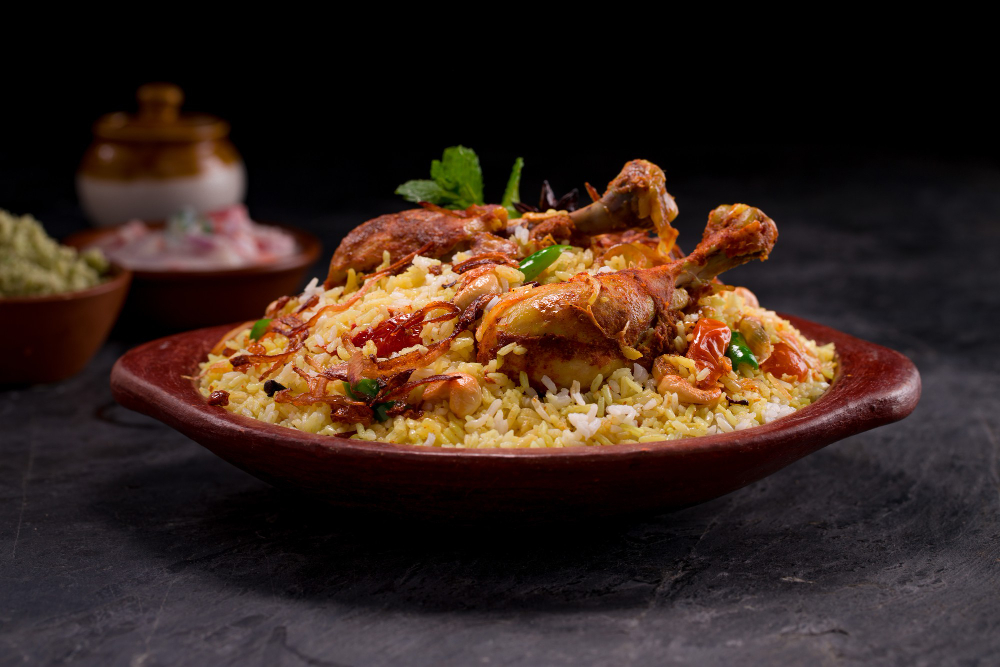
Mandi and Kabsa are two famous Middle Eastern rice dishes made with meat and aromatic spices, but the key difference lies in their origin, cooking method, and flavor profile. Mandi comes from Yemen and is known for its slow cooked smoky meat and lightly seasoned rice, while Kabsa originates from Saudi Arabia and is typically cooked in one pot with richer spices and tomato based flavors.
Although both dishes may look similar at first, their preparation techniques and taste create a very different dining experience. Understanding these differences not only helps food lovers appreciate Middle Eastern cuisine more deeply but also makes it easier to choose the dish that best suits their taste.
In this guide of Mandi Guys The Best Yemeni Restaurant in London ON, we explore the origins, ingredients, cooking methods, and unique flavors that set Mandi and Kabsa apart.
What Is Mandi?
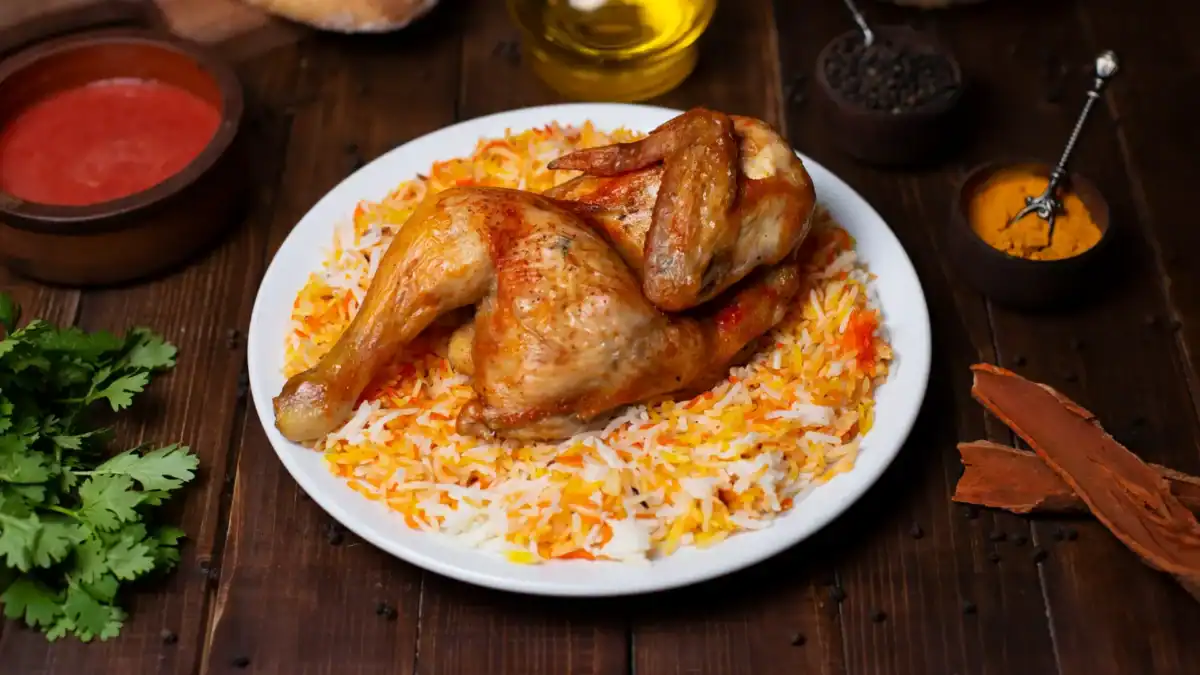
Mandi is a traditional rice dish that originated in the Hadhramaut region of Yemen and later became popular across the Middle East. It is usually made with long grain basmati rice, tender chicken or lamb, and a mild blend of aromatic spices.
The dish is known for its unique cooking method. The meat is traditionally slow cooked in a clay oven or underground pit, which gives it a light smoky flavor. The rice absorbs the juices from the meat, creating a fragrant, fluffy dish with balanced and natural flavors.
Key Characteristics of Mandi
- Origin: Yemen
- Cooking method: Slow cooked meat in a pit or clay oven
- Flavor: Mild, aromatic, and slightly smoky
- Rice texture: Light and fluffy
- Common meats: Chicken or lamb
Mandi is often served on a large platter and enjoyed with sauces like tomato salsa or yogurt based dips, making it a popular meal for family gatherings and celebrations.
What Is Kabsa?
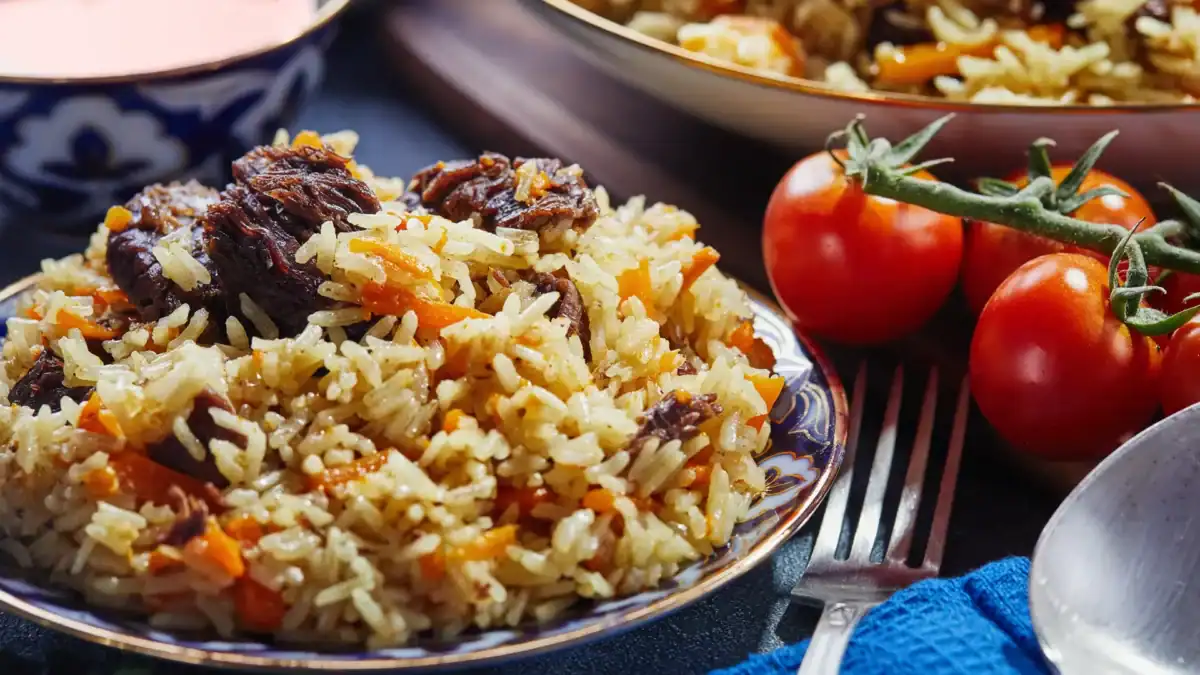
Kabsa is a famous traditional rice dish from Saudi Arabia that is widely enjoyed across the Arabian Peninsula. Like Mandi, it is made with rice and meat, but the cooking method and flavor are different.
Kabsa is usually prepared as a one pot dish where meat, rice, broth, and spices cook together. This allows the rice to absorb rich flavors during the cooking process.
The dish is known for its bold spice blend, often including cinnamon, cardamom, cloves, bay leaves, black lime, and sometimes tomatoes. As a result, Kabsa rice is more richly seasoned and slightly moist compared to the lighter and fluffier rice used in Mandi.
Key Characteristics of Kabsa
- Origin: Saudi Arabia
- Cooking method: One pot cooking with meat and rice together
- Flavor: Bold, rich, and heavily spiced
- Rice texture: Moist and deeply flavored
- Common meats: Chicken, lamb, or sometimes goat
Kabsa is a staple dish in Saudi households and is often served during family gatherings, celebrations, and traditional events.
Main Differences Between Mandi and Kabsa
Although both dishes share similar ingredients, several important factors distinguish them from each other.
| Feature | Mandi | Kabsa |
| Origin | Yemen | Saudi Arabia |
| Cooking Method | Meat cooked separately in a pit or oven | Rice and meat cooked together in one pot |
| Flavor Profile | Mild, smoky, and aromatic | Rich, bold, and heavily spiced |
| Rice Texture | Light and fluffy | Moist and deeply flavored |
| Key Ingredients | Simple spice mix | Complex spice blend with tomatoes |
These differences make each dish unique, even though they share a similar base of rice and meat.
Cooking Methods That Define Each Dish
The cooking technique plays a major role in creating the distinct taste and texture of both Mandi and Kabsa. While the ingredients may appear similar, the preparation methods are what truly set these dishes apart.
Traditional Mandi Cooking Method
The traditional Mandi cooking technique plays a major role in its distinctive flavor. The meat is usually seasoned and placed in a clay oven where it slowly cooks using heat and smoke. This slow cooking process allows the meat to become extremely tender while developing a subtle smoky aroma.
Meanwhile, the rice is prepared using the broth and drippings from the meat. This method ensures that the rice absorbs the flavor without becoming overly heavy.
Modern restaurants sometimes recreate this technique using special ovens to maintain the traditional taste.
Kabsa Cooking Method
Kabsa is generally easier to prepare because it uses a single pot cooking method. The meat is first sautéed with onions and spices, followed by tomatoes and broth. The rice is then added and cooked directly in the flavored liquid.
This process allows the rice to absorb all the spices and juices from the meat, resulting in a dish that is rich and aromatic.
Flavor and Spice Differences
Flavor is one of the easiest ways to tell Mandi and Kabsa apart.
Mandi Flavor Profile
Mandi offers a clean, mild, and slightly smoky taste. The spices are subtle, allowing the natural flavor of the meat to stand out. This makes Mandi ideal for people who prefer lighter seasoning.
Kabsa Flavor Profile
Kabsa has a stronger and more complex flavor. The combination of spices and tomatoes creates a richer and more intense taste, which many people find comforting and satisfying.
Which Dish Is Healthier?
Both Mandi and Kabsa can be part of a balanced diet depending on the ingredients used.
Mandi is often considered slightly lighter because it typically uses fewer oils and sauces. The slow cooking process also allows the natural juices of the meat to enhance the flavor without needing excessive seasoning.
Kabsa, on the other hand, may contain more spices and sometimes tomato based sauces, which can make it richer.
Ultimately, the healthiness of either dish depends on portion size, ingredients, and cooking methods.
Why These Dishes Are Popular Worldwide
Mandi and Kabsa have gained global popularity thanks to the growing interest in Middle Eastern cuisine. Their combination of fragrant rice, tender meat, and traditional spices makes them appealing to a wide range of food lovers.
Another reason for their popularity is the communal dining tradition associated with these dishes. Large platters are often shared among family members or groups of friends, creating a warm and social dining experience.
Mandi Restaurants specializing in Arabian and Yemeni cuisine often feature both dishes because they represent the diversity of regional flavors within Middle Eastern cooking.
Final Thoughts
Mandi and Kabsa may appear similar, but their cooking techniques, spice blends, and origins create two very different culinary experiences. Mandi is known for its smoky aroma, tender meat, and lightly seasoned rice, while Kabsa offers a richer and more intensely flavored dish with spices and tomatoes.
Both dishes represent the rich food traditions of the Arabian Peninsula and continue to attract food lovers around the world.
If you want to experience authentic Middle Eastern flavors, dishes like Mandi are a great place to start. At Mandi Guys, traditional recipes and carefully selected spices bring these iconic flavors to life, offering a memorable dining experience for anyone who appreciates authentic Arabian cuisine.
Visit Mandi Guys today and enjoy the true taste of authentic Mandi prepared with tradition and passion.
FAQs
1. What is the main difference between Mandi and Kabsa?
The main difference between Mandi and Kabsa is their cooking style and flavor. Mandi uses slow cooked meat prepared separately from the rice, creating a smoky and mild taste. Kabsa cooks rice and meat together in a single pot with stronger spices and tomato based flavors.
2. Which dish is more popular in the Middle East?
Both dishes are widely popular. Kabsa is considered a national dish in Saudi Arabia, while Mandi is strongly associated with Yemeni cuisine and is popular across many Gulf countries.
3. Is Mandi spicier than Kabsa?
No. Mandi usually has a milder spice profile compared to Kabsa. Kabsa uses a richer blend of spices and sometimes tomatoes, which creates a deeper and stronger flavor.
4. What meat is used in Mandi and Kabsa?
Both dishes commonly use chicken or lamb. Some variations may include goat or beef depending on regional preferences.
5. Why does Mandi taste smoky?
Mandi has a smoky flavor because the meat is traditionally cooked in a clay oven or underground pit where smoke and heat slowly cook the meat and infuse the dish with aroma.
6. Which dish should I try first?
If you enjoy mild and smoky flavors, Mandi is a great choice. If you prefer rich and strongly spiced rice dishes, Kabsa may be more appealing.