What to Expect When Ordering Lamb Mandi for the First Time
September 18, 2026
Halal Meat vs. Regular Meat: Understanding the Benefits
October 8, 2026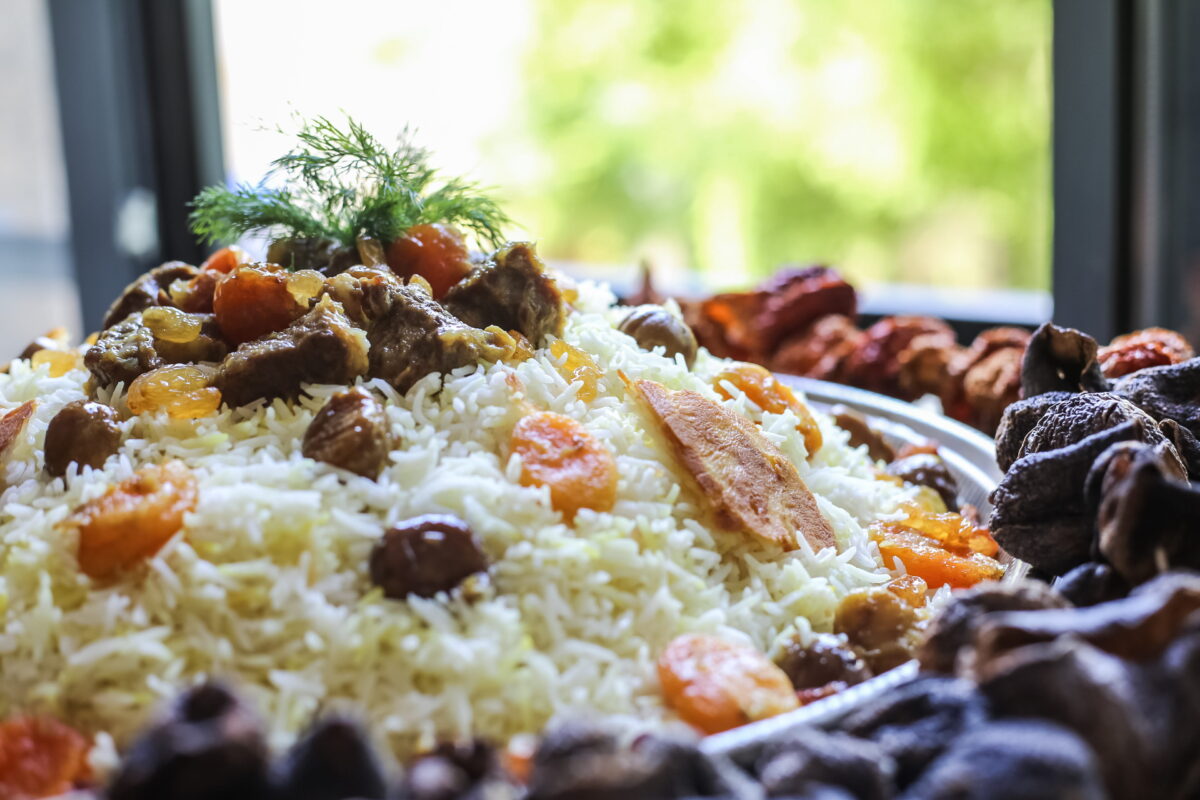
Rice plays an important role in Yemeni cooking, but not every rice dish is prepared or served in the same way. Bashawer rice is one variety that has become closely associated with hearty meat dishes, particularly Madfoon. Its long grains, warm spices, and fuller flavour make it a natural partner for smoky, slow cooked meat.
While mandi rice is often lighter and closely connected with the traditional mandi cooking method, Bashawer rice brings a stronger seasoning profile to the plate. So, why has it become popular? This guide explores its flavour, history, role in Yemeni cuisine, connection with Madfoon, and why diners continue to enjoy it.
1. What Is Bashawer Rice?
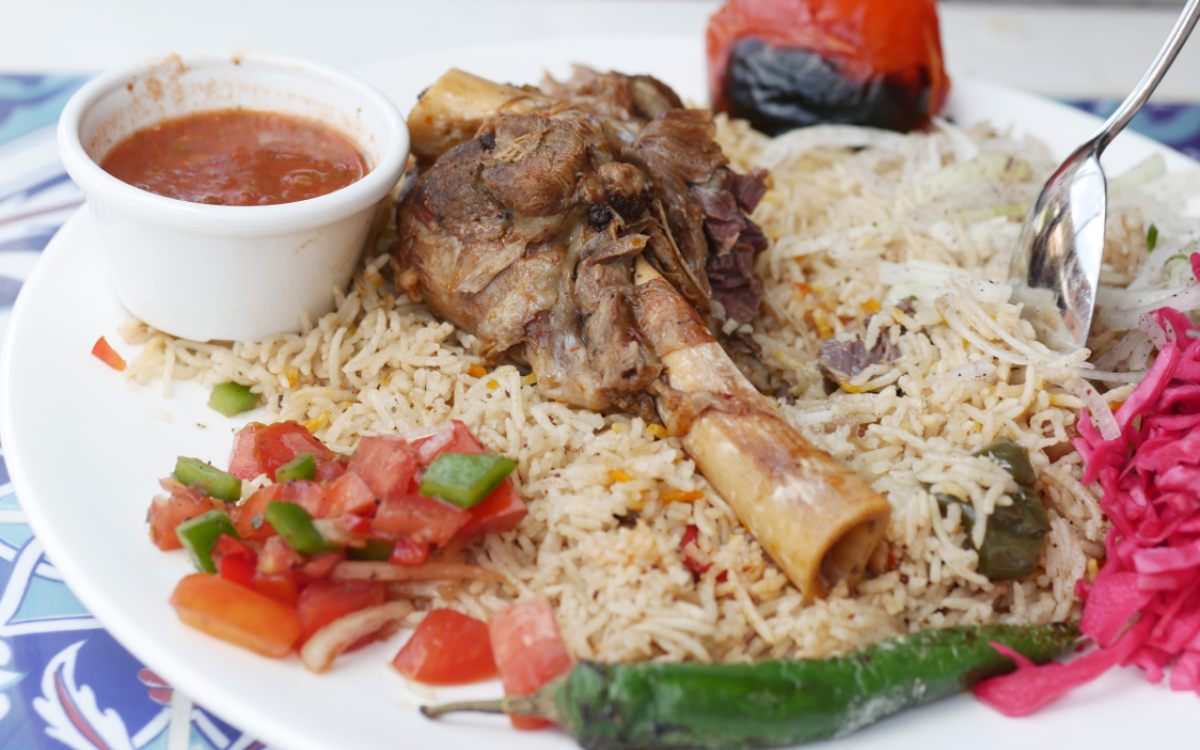
Bashawer rice is a seasoned long grain rice commonly served with rich meat dishes in Yemeni cuisine. It has a warm, aromatic flavour that pairs especially well with Madfoon. Unlike plain rice, its spices give the dish more depth while keeping the grains light and fluffy. The name may also appear as Bashawar, depending on the spelling used.
Bashawer rice is often paired with Madfoon, while traditional Mandi comes with its own style of seasoned rice, giving diners two distinct rice options to experience with Yemeni meat dishes.
If you are new to Yemeni cuisine, our guide to the most popular Yemeni dishes provides a useful introduction to the broader range of traditional foods.
2. How Does Bashawer Rice Fit Into Yemeni Cuisine?
Yemeni cuisine has a strong tradition of combining rice with meat, spices, and slow cooking. Mandi is perhaps the best known example, with roots traditionally associated with Hadhramaut and a preparation that combines seasoned rice with tender meat.
Food traditions in Yemen also vary considerably by region. Coastal areas have their own seafood dishes, while inland communities have developed many preparations centred on lamb, chicken, grains, and vegetables.
Rice dishes reflect this variety. Different preparations can use different spice combinations, cooking methods, and accompaniments, giving each dish its own character.
For a deeper comparison, you can explore our guide on how Yemeni Mandi differs from other Arabian rice dishes.
3. Why Is Bashawer Rice Popular With Madfoon?
Madfoon is known for tender, richly seasoned meat, so the rice served alongside it needs enough flavour to complement the main dish without overpowering it.
Bashawer rice works well in that setting because its warm seasoning provides contrast to the richness of the meat. The long grains also give the meal a lighter texture, creating some balance on the plate.
The pairing makes sense from a practical cooking perspective too. A hearty meat dish benefits from rice that can absorb some of its savoury flavours while still maintaining its own aroma and texture.
4. How Is Bashawer Rice Different From Mandi Rice?
Bashawer rice and Mandi rice can look similar, but they are associated with different dishes and preparation styles.
Mandi traditionally involves meat cooked using indirect heat in a tandoor or pit, with rice prepared beneath the meat. The cooking process allows juices and aromas from the meat to contribute flavour to the rice.
Bashawer rice is commonly associated with Madfoon instead. It tends to have a more pronounced warm spice character that works with the richer flavour of Madfoon.
The exact seasoning can vary by recipe, so there is no single universal Bashawer formula.
If you enjoy comparing rice-based dishes, you can also explore our guide to Mandi vs. Biryani to see how Yemeni Mandi compares with another famous rice and meat dish.
5. What Gives Bashawer Rice Its Distinctive Flavour?
The flavour comes from the combination of long grain rice, spices, aromatics, and cooking technique. Recipes can differ, but Yemeni cuisine is known for using fragrant spice combinations in both meat and rice dishes.
Hawaij is one of the better known Yemeni spice blends. Depending on the preparation, it can include ingredients such as cardamom, ginger, fennel, and anise. Other commonly used seasonings in Yemeni cooking include cumin, coriander, turmeric, and chilli.
The result is usually aromatic rather than simply hot. The spices give the rice warmth and depth while allowing the main meat dish to remain the focus.
6. Why Is Long Grain Rice Used?
Long grain rice is well suited to dishes where individual grains need to remain separate after cooking. When prepared correctly, the grains stay light and fluffy instead of becoming sticky or overly soft.
Rice has become an important part of several Yemeni meat dishes, including Mandi, which is traditionally prepared using rice with lamb or chicken and aromatic seasonings.
The texture matters because rice served with rich meat needs to provide some contrast. Fluffy grains can carry seasoning and cooking juices while still giving the meal a distinct bite.
If you want to explore Mandi in more detail, our guide comparing lamb Mandi and chicken Mandi explains how the two popular versions differ.
7. Why Does Rice Matter So Much in Yemeni Meat Dishes?
Rice is not simply an extra item placed beside the meat. In many Yemeni dishes, it forms a substantial part of the meal and helps bring the different flavours together.
Mandi is traditionally served on large platters and is closely connected with communal dining. This style of serving reflects the importance of shared meals in Yemeni food culture.
The rice also provides a neutral base for stronger flavours. Rich meat, aromatic spices, sauces, and fresh accompaniments can all be enjoyed together without one element dominating the entire meal.
8. Why Do People Enjoy Bashawer Rice Today?
Bashawer rice has a flavour profile that is easy to appreciate even for people who are new to Yemeni cuisine. Rice itself is familiar, but the addition of aromatic spices gives it a more distinctive character.
Its texture is another part of the appeal. Properly cooked long grain rice stays separate and fluffy, making it enjoyable alongside tender meat.
There is also something practical about the combination. A plate built around seasoned rice and slow cooked meat is filling, easy to share, and suitable for both everyday meals and larger gatherings.
Try Bashawer Rice With Madfoon at Mandi Guys
For an authentic taste of Bashawer rice with Madfoon, Mandi Guys in London, Ontario offers a traditional Yemeni dining experience built around slow cooked meats, fragrant rice, and halal ingredients. Its Madfoon Half Chicken is served over seasoned Bashawer rice, bringing together smoky, tender chicken with warm, aromatic grains.
The menu also includes lamb and chicken Mandi, family platters, wraps, and other Middle Eastern favourites. With dine in, takeout, delivery, and catering available, it is easy to enjoy these flavours at different occasions. Visit Mandi Guys or order online to try Madfoon with Bashawer rice.
You can explore the current Mandi Guys menu to see the available rice and meat dishes before ordering.
Final Thoughts
Bashawer rice is a simple yet flavourful part of Yemeni cuisine, combining long grain rice with aromatic spices and seasonings. Its connection with Madfoon makes it a natural match for tender, richly flavoured meat, while its fluffy texture keeps the meal balanced. Beyond its taste, Bashawer rice reflects the importance of rice in Yemeni cooking and the way different ingredients are brought together on a shared platter.
Exploring this rice also provides a closer look at the wider traditions behind Yemeni food, where meat, spices, sauces, and fragrant rice come together to create meals that are comforting, generous, and made for sharing.
FAQs
What is Bashawer rice?
Bashawer rice is seasoned long grain rice commonly served with Madfoon. It has a warm, aromatic flavour that pairs well with rich meat.
Is Bashawer rice the same as Mandi rice?
No. Both are seasoned rice dishes, but they are prepared differently and traditionally served with different Yemeni meat dishes.
What meat is served with Bashawer rice?
Bashawer rice is commonly served with Madfoon, which can feature chicken or lamb. The seasoned rice complements the tender, richly flavoured meat.
Is Bashawer rice spicy?
Bashawer rice is usually aromatic rather than intensely spicy. Its flavour comes mainly from warm spices and seasonings, although recipes can vary.
What spices are used in Yemeni rice?
Yemeni rice recipes may include cardamom, cumin, coriander, ginger, turmeric, cinnamon, and other aromatic spices, depending on the dish and regional preparation.
Why is rice important in Yemeni cuisine?
Rice provides a substantial base for many Yemeni meat dishes, carrying the flavours of spices, cooking juices, sauces, and aromatic seasonings.
Where did Mandi originate?
Mandi is traditionally associated with Hadhramaut in southern Yemen. The dish later became popular across the Arabian Peninsula and other regions.