How to Choose a Halal Catering Service in London, ON: A Complete Guide
June 15, 2026
Dining Table Etiquette: The Ultimate Guide to Table Manners
July 21, 2026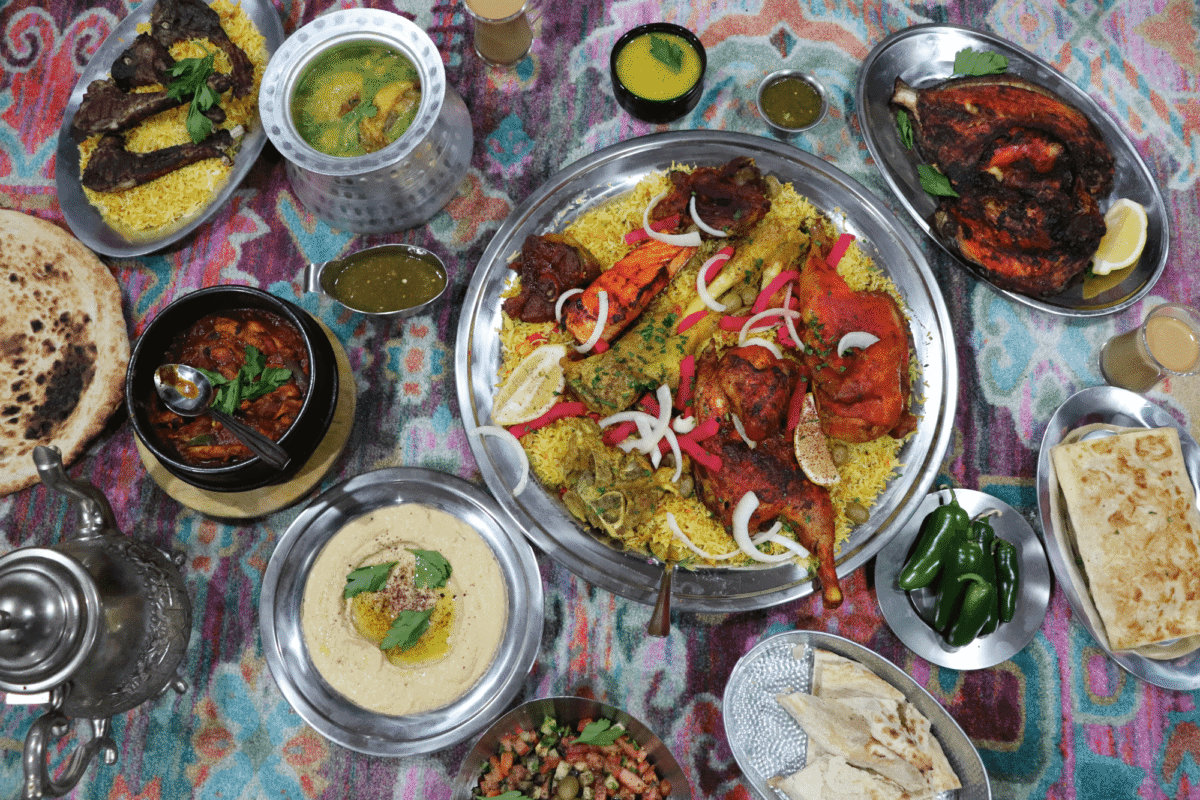
Yemeni cuisine is one of the oldest and most distinctive food traditions in the Arab world. Built on slow-cooking techniques, aromatic spice blends, and communal dining culture, it produces dishes that are bold, satisfying, and deeply memorable.
The five most popular Yemeni dishes,mandi, madfoon, salta, fahsa, and bint al-sahn, represent a tradition worth knowing.
Yemeni food is having a well-deserved moment globally, and if you’ve never tried it, this guide is your starting point.
As someone who has spent years cooking, serving, and sharing Yemeni cuisine in London, Ontario, I can tell you: these dishes carry real history, technique, and cultural weight. They’re not just meals. They’re an experience.
Here’s what we’ll walk through:
- The five most popular traditional Yemeni dishes and what makes each one special
- The spices, cooking methods, and cultural context behind Yemeni food
- How Yemeni cuisine compares to other Middle Eastern food traditions
- What to expect when trying Yemeni food for the first time
- How to find authentic Yemeni food in Canada, specifically in London, Ontario
What Makes Yemeni Cuisine Unique?
Before we get to the dishes, it’s worth understanding what sets Yemeni cooking apart from the broader landscape of Middle Eastern and Arab food.
Most people who’ve tried Lebanese, Egyptian, or Gulf cuisine assume Yemeni food sits in the same category. It doesn’t. Yemen has its own distinct culinary identity, shaped by geography, trade history, and a cooking philosophy centred on patience and technique. If you’re curious how Yemeni cooking stacks up against neighbouring Arabian traditions, we’ve broken it down in detail in How Is Yemeni Mandi Different From Other Arabian Rice Dishes?
1. The Spice Philosophy
Yemeni cooking relies heavily on a spice blend called hawaij, a warm, complex mix of cumin, cardamom, turmeric, black pepper, and coriander. It’s not a single-note heat like chili. It’s layered, aromatic, and deeply savoury.
Other essential flavour builders in Yemeni cuisine include:
- Black lime (loomi), dried limes that add a sharp, citrusy depth to rice and broths
- Fenugreek, used in sauces like sahawiq and in the base of dishes like salta
- Saffron, added to rice for colour and a distinct floral aroma
- Smoked and sun-dried tomatoes, more common in Yemeni cooking than in most other Arab cuisines
- Harad (caraway seed), used in bread and certain stews
The result is a cuisine that tastes warm, earthy, and ancient, because it is.
2. The Slow-Cooking Tradition
If there’s one defining characteristic of Yemeni food, it’s time. Almost nothing in traditional Yemeni cooking is rushed. Meat is slow-cooked for hours. Rice absorbs broth and aromatics gradually. Even sauces are reduced slowly over low heat.
This is not a cuisine that adapts well to shortcuts. When you eat properly prepared mandi or madfoon, you’re eating something that requires serious time and attention, and it shows in every bite.
Note:
At Mandi Guys, our Restaurant in London, Ontario follows these same principles. Our mandi and madfoon are slow-cooked using traditional methods, not reheated or rushed. That’s why regulars drive from across the city to eat here.
3. The Communal Eating Culture
In Yemen, meals are traditionally eaten together, often from a shared platter placed on a cloth spread on the floor. Large trays of rice and meat are surrounded by sauces, bread, and salads. Everyone eats together.
This communal tradition shapes how Yemeni food is served in generous quantities, arranged for sharing, with the assumption that hospitality is the baseline. When Yemeni restaurants serve food ‘family-style,’ they’re not just being practical. They’re honouring a cultural norm.
The Top 5 Most Popular Yemeni Dishes
These are the dishes that define Yemeni cuisine globally. If you’ve heard of Yemeni food, chances are you’ve heard at least one of these names.
1. Mandi-The King of Yemeni Cuisine
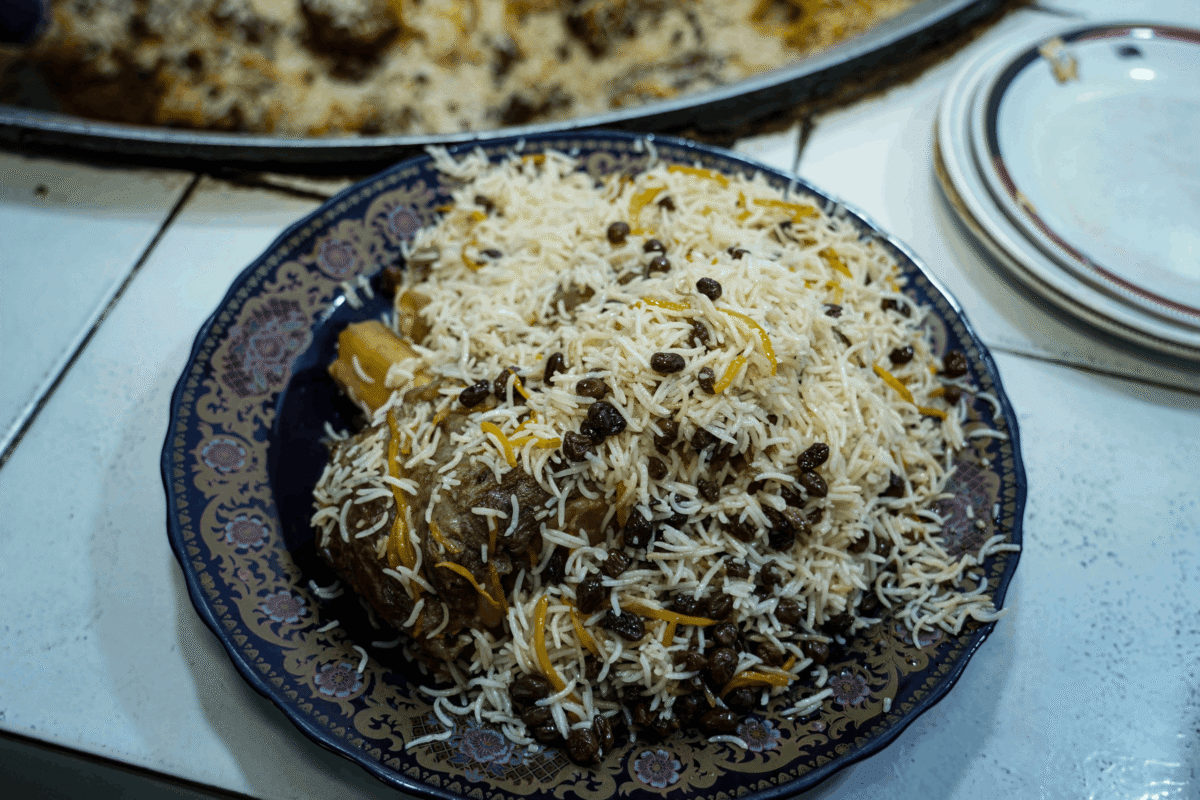
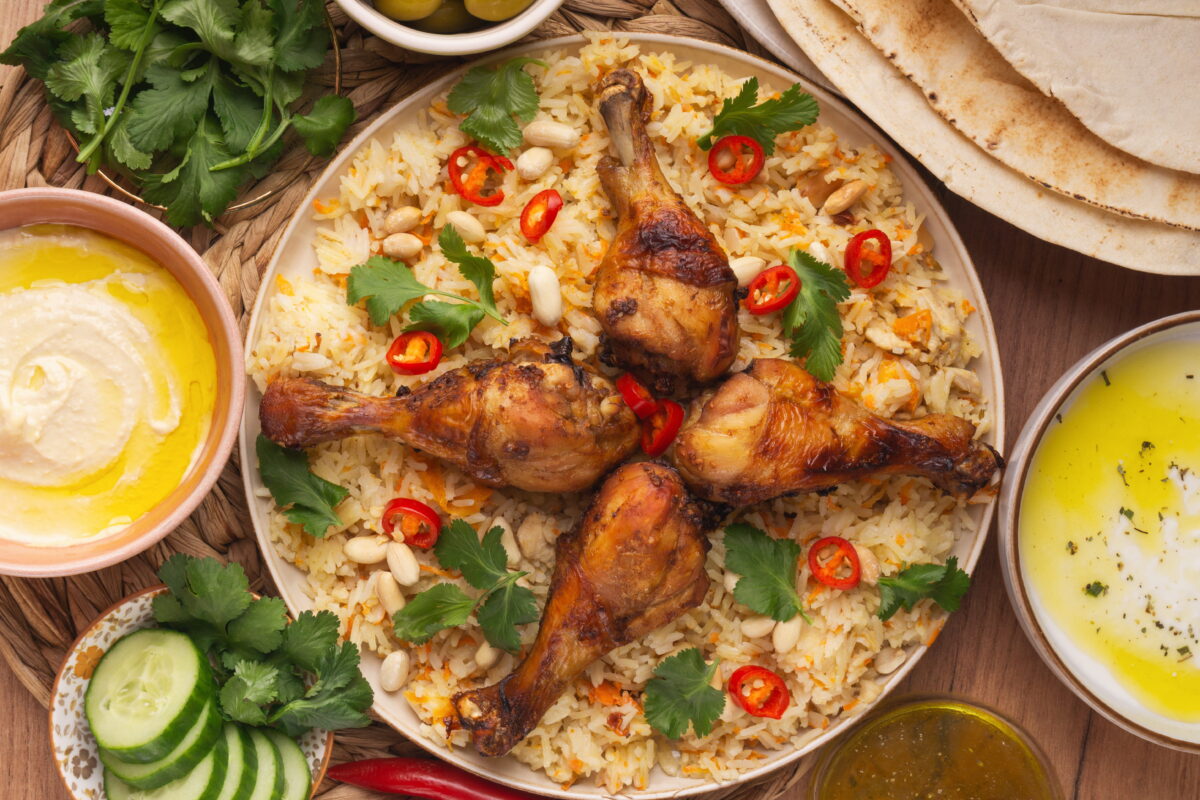
Mandi is the most iconic Yemeni dish in the world. It consists of slow-cooked lamb, chicken, or goat served over fragrant long-grain rice that has been cooked in the meat’s own broth and seasoned with a signature spice blend.
The word ‘mandi’ comes from the Arabic word for dew, nada a reference to the glistening, moist texture of the meat after slow-cooking. That moisture is the whole point. The meat should fall off the bone effortlessly, carrying the scent of the spices it was cooked with.
How Mandi Is Cooked
Traditional mandi uses a tandoor oven, a clay pit oven built into the ground or a wall. Meat is suspended inside the sealed oven above the heat source, cooking slowly in the trapped steam and smoke for several hours.
The rice is placed beneath the meat and cooked in the dripping broth and fat, which is why mandi rice has such extraordinary flavour. It’s not just rice with spices added. It’s rice that has absorbed hours of slow-cooked meat essence.
Key elements of authentic mandi:
- Whole lamb or chicken, not chopped pieces; the whole animal or bird is cooked intact
- Hawaij spice blend, cumin, cardamom, black pepper, coriander, and turmeric
- Long-grain basmati rice, cooked in broth with black lime, saffron, and clarified butter
- Tandoor or specially designed slow-cook oven, not a conventional grill or pot
- Cooking time, minimum 3 to 5 hours for lamb; 2 to 3 hours for chicken
What Mandi Is Served With
Authentic mandi comes with:
- Sahawiq, a green chili, garlic, and tomato sauce that provides heat and acidity to balance the rich rice
- Tomato salsa, a fresh, chunky accompaniment that lightens the dish
- Broth soup, a cup of the cooking broth, served on the side for sipping or pouring over rice
- Flatbread , for scooping sauce and picking up meat
Mandi is the dish that built Mandi Guys’ reputation in London, Ontario. Our mandi lamb and mandi chicken are slow-cooked to order using traditional spice blends and served with all the traditional accompaniments. Not sure which to start with? Our guide on Lamb Mandi vs Chicken Mandi: Which One Should You Try First? breaks down the differences so you can order with confidence.
2. Madfoon- The Smoked Underground Feast
Madfoon means ‘buried’ in Arabic, and that name tells you everything about the cooking method. Traditionally, madfoon is prepared by burying seasoned meat in a pit dug in the ground, sealing it, and cooking it slowly over hot coals for hours.
The result is meat with an extraordinary depth of flavour, intensely smoky, unbelievably tender, and rich with spices that have had hours to fully penetrate the meat.
In modern kitchens, including ours at Mandi Guys, madfoon is prepared in specialized sealed ovens that replicate the sealed-pit method. The principle is the same: the meat cooks in its own juices, sealed from outside air, creating a self-basting process that no other cooking method can replicate.
Madfoon vs Mandi: How Are They Different?
Both are slow-cooked Yemeni meat dishes. The key differences:
- Cooking vessel: mandi uses a tandoor (open heat source below); madfoon uses a sealed pit or vessel (completely enclosed)
- Moisture level: madfoon produces wetter, more intensely flavoured meat due to the sealed environment trapping all steam and juices
- Smoke profile: madfoon has a more pronounced smokiness; mandi is cleaner and lighter
- Rice pairing: mandi is served with traditional mandi rice; madfoon is typically served with Bashawer rice
What Is Bashawer Rice?
Bashawer rice is the traditional accompaniment for madfoon. It’s a long-grain rice prepared with a different spice profile than mandi rice, heavier on warm spices, with a slightly more robust flavour that stands up to the intensity of madfoon’s smoky meat.
If mandi rice is the elegant partner to the dish, Bashawer rice is the bold one. Both are exceptional in their context.
Mandi Guys offers both mandi and madfoon on our London, Ontario menu, and both are available for catering events. If you want to give your guests something they’ll talk about for years, a whole-lamb madfoon feast is hard to beat.
3. Saltah- Yemen’s National Dish
Salta is widely considered Yemen’s national dish, and it’s one of the most unique things you’ll encounter in Yemeni cuisine. Unlike mandi and madfoon, which are based around meat and rice, salta is a thick stew with a completely different character.
At its core, salta is a meat broth thickened with fenugreek foam, loaded with vegetables, lamb, and served with flatbread. It’s a warming, deeply savoury dish that Yemenis eat at lunch, typically as a communal meal shared from a single stone bowl called a maqla.
What Goes Into Salta?
Salta varies by region within Yemen, but the foundational elements include:
- Meat broth (maraq), rich, slow-cooked lamb or chicken broth as the base
- Fenugreek foam (hulba, whipped fenugreek seeds create a frothy green topping that is salta’s signature element
- Sahawiq, the green chili and garlic sauce stirred into the stew
- Potatoes, legumes, and eggs, added for substance
- Flatbread (lahoh or khobz), for dipping and scooping
4. Fahsa- The Hearty Lamb Stew
Fahsa is a close relative of salta, but they’re distinct dishes with different textures, ingredients, and serving styles. Where salta is a broth-heavy stew, fahsa is thicker, almost casserole-like, and built around pulled or minced lamb cooked down until the meat practically melts.
Fahsa is served in a molten stone bowl (maqla), bubbling hot when it arrives at the table. Diners tear flatbread and scoop directly from the shared vessel. It’s intensely communal, deliberately messy, and completely delicious.
What Makes Fahsah Unique?
Fahsah is known for its:
- Rich meat broth
- Slow-cooked beef or lamb
- Garlic
- Fresh coriander
- Traditional Yemeni spices
- Fenugreek topping
It is commonly enjoyed with freshly baked Yemeni bread, which is used to scoop up the flavorful stew.For many Yemenis, Fahsah represents the comfort of home and family traditions.
5. Bint Al-Sahn – The Yemeni Honey Cake
After five dishes of savoury intensity, Yemeni cuisine ends with something extraordinary: bint al-sahn, which translates literally as ‘daughter of the plate.’
Bint al-sahn is a layered flatbread made from a soft, enriched dough, eggs, butter, and sometimes black seed (nigella), stacked in thin layers and baked until golden. When served, it’s drenched in pure honey and clarified butter (samn baladi).
It’s simple. It’s ancient. And it is transcendentally good.
How Is Bint Al-Sahn Made?
The dough is rolled into delicate layers, brushed with clarified butter, stacked, and baked until light and flaky. Once out of the oven, it’s topped with fragrant Yemeni honey, giving it a rich, buttery sweetness and a melt-in-your-mouth texture.
When Is Bint Al-Sahn Served?
Traditionally, Bint Al-Sahn is served during weddings, family gatherings, celebrations, and festive occasions. Although sweet, it’s often enjoyed as a shared starter or alongside tea rather than as a dessert.
If you’re exploring authentic Yemeni cuisine, Bint Al-Sahn is a must-try dish that beautifully showcases Yemen’s rich culinary heritage with just a few simple ingredients.
Other Notable Yemeni Dishes Worth Knowing
The five dishes above represent the foundation of Yemeni cuisine globally , but the tradition goes much deeper. Here are additional dishes that serious food lovers should seek out:
Shawarma – A Popular Street Food
While shawarma is enjoyed across the Middle East, Yemeni shawarma stands out with its unique blend of spices. Tender chicken or lamb is slow-roasted, sliced thin, and wrapped in fresh flatbread with pickled vegetables, tahini, and spicy sahawiq sauce.
Aseeda – A Traditional Comfort Food
Aseeda is a hearty, dough-like porridge made from wheat or sorghum flour. Depending on the occasion, it’s served with honey and clarified butter for a sweet version or topped with rich meat gravy for a savoury meal.
Muttabbaq – Stuffed Yemeni Flatbread
Muttabbaq is a crispy pan-fried flatbread filled with seasoned minced meat, eggs, onions, and aromatic spices. It’s a popular Yemeni street food that’s both filling and packed with flavour.
Lahoh – The Famous Yemeni Flatbread
Lahoh is a soft, spongy fermented flatbread with tiny air pockets that absorb sauces beautifully. It’s commonly served alongside Salta, Fahsa, or enjoyed simply with honey and butter.
Maraq – Traditional Yemeni Meat Broth
Maraq is a slow-simmered meat broth that forms the foundation of many Yemeni dishes. Rich, aromatic, and deeply comforting, it’s often served with rice dishes or alongside Salta and Fahsa to add extra depth of flavour.
Is Yemeni Food Healthy?
Many traditional Yemeni dishes can be part of a balanced diet when enjoyed in moderation.Authentic Yemeni cooking emphasizes:
- Fresh ingredients
- Slow cooking
- Lean proteins
- Aromatic herbs
- Natural spices
- Minimal processed ingredients
Nutritional Benefits of Yemeni Cuisine
Depending on the dish, Yemeni meals may provide:
- High-quality protein
- Essential vitamins and minerals
- Iron from lamb and beef
- Healthy carbohydrates from rice
- Natural antioxidants from herbs and spices
Many recipes are prepared without heavy cream-based sauces, allowing the natural ingredients to shine.
Where to Try Authentic Yemeni Food in London, Ontario?
As Yemeni cuisine continues to grow in popularity across Canada, more people are searching for authentic restaurants that stay true to traditional recipes.
If you’re in London, Ontario, Mandi Guys proudly serves authentic Yemeni cuisine inspired by generations of culinary tradition. You can find Mandi Guys at 169 Wharncliffe Rd S, London, Ontario. We opened to bring authentic Yemeni cooking, real mandi, real madfoon, real spice blends , to a city that didn’t have it. We offer dine-in, takeout, delivery, and catering. If you’ve never tried Yemeni food, this is where to start.Our menu features customer favorites including:
- Lamb Mandi
- Chicken Mandi
- Madfoon
- Family Mix Platters
- Fresh appetizers
- Authentic Middle Eastern sides
Final Thoughts:
At Mandi Guys, we believe food is more than a meal, it’s a way to share culture, tradition, and hospitality. Every plate we serve reflects generations of Yemeni culinary heritage, from our signature mandi and madfoon to family platters made for sharing.
Whether you’re trying Yemeni cuisine for the first time or looking for the authentic flavors you grew up with, our team is dedicated to delivering a memorable dining experience using premium halal ingredients and traditional cooking methods.
Visit Mandi Guys in London, Ontario, or order online to discover why authentic Yemeni food continues to win the hearts of food lovers across Canada.
Visit us at Mandi Guys: 169 Wharncliffe Rd S, London, ON N6J 2K7
Frequently Asked Questions
What is the most popular food in Yemen?
Mandi is widely considered the most popular and internationally recognized Yemeni dish. It features slow-cooked lamb or chicken served over fragrant rice seasoned with traditional Yemeni spices.
What is Yemen’s national dish?
Many Yemenis consider Saltah the national dish because it is commonly prepared in homes across the country and represents traditional Yemeni comfort food.
Is Yemeni food spicy?
Not necessarily. Yemeni cuisine focuses on aromatic spices like cardamom, cinnamon, cumin, and cloves rather than extreme heat, making it flavorful without being overly spicy.
What should I order first at a Yemeni restaurant?
For first-time visitors, Lamb Mandi or Chicken Mandi are the best choices because they showcase authentic Yemeni cooking, slow-cooked meats, and fragrant rice.
Is Yemeni food halal?
Traditional Yemeni cuisine is commonly prepared using halal ingredients. At Mandi Guys, every dish is made using 100% halal-certified ingredients.
Is mandi healthier than biryani?
Mandi is often considered lighter because it relies on slow cooking and aromatic spices rather than heavy masalas and oil-rich preparation. However, nutritional value depends on portion size and ingredients.
Why is Yemeni food becoming popular in Canada?
Canadians are increasingly embracing authentic global cuisines. Yemeni food offers rich flavors, halal options, generous family platters, and traditional recipes that appeal to diners looking for unique culinary experiences.