Dining Table Etiquette: The Ultimate Guide to Table Manners
July 21, 2026
Why Molokhia Is One of the Most Loved Middle Eastern Dishes
August 19, 2026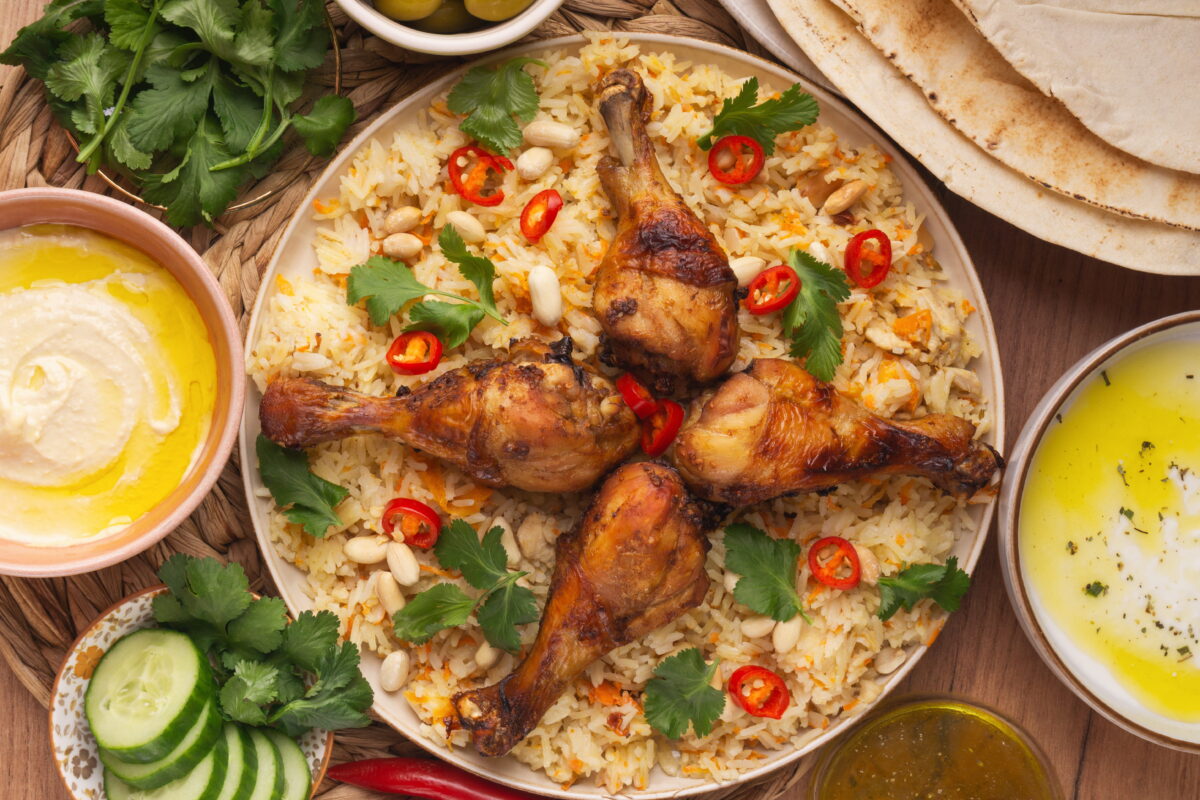
There are dishes that are much debated among food lovers, such as mandi vs biryani. Both are rich, flavorful rice-based dishes made with tender meat and fragrant basmati rice, yet they come from different culinary traditions and offer completely different dining experiences.
If you’ve ever wondered what the difference is between mandi and biryani, you’re not alone. As an experienced food critic and food blogger at Mandi Guys, I’m going to unfold the difference between these two dishes.
By the end of this blog, you’ll know exactly which one matches your taste buds and why both deserve a place on your food bucket list.
What is Mandi?
Mandi is a traditional rice dish originating from Yemen, now popular among Middle Eastern cuisine enthusiasts worldwide. Also known as Yemeni mandi or Arabian mandi, it features seasoned meat slow-cooked to tenderness and accompanied by lightly spiced rice that absorbs flavorful cooking juices.
The dish is characterized by its subtle spice blend, including cardamom, cinnamon, cloves, black pepper, cumin, bay leaves, and dried lime, resulting in a mild yet rich flavor profile. A distinctive aspect of mandi is its charcoal-smoked flavor, achieved by placing hot charcoal in the cooking pot post-cooking, which infuses the dish with a unique aroma.
Unlike many heavily seasoned rice dishes, mandi allows the quality of meat to be the centerpiece, with proper marination and cooking methods ensuring juicy meat and fluffy rice. Mandi is typically served as a large platter, perfect for sharing, making it a favored family-style meal in various restaurants.
Types of Mandi
Although the cooking method remains largely the same, several varieties of mandi have become popular over the years.
Chicken Mandi
Chicken mandi is perhaps the most commonly ordered version. The chicken is marinated with traditional spices before being cooked slowly until tender. Its mild seasoning makes it a great choice for people trying mandi for the first time.
Mutton Mandi
If you enjoy rich flavors, Mutton mandi is an excellent option. The slow-cooked meat becomes soft enough to fall off the bone, while the rice absorbs every bit of its juices.
Lamb Mandi
Lamb mandi is considered a special meal for celebrations and family gatherings. The tender lamb pairs beautifully with lightly seasoned rice.
What is Biryani?
Unlike mandi, biryani highlights bold spices and layered flavors, combining meat, herbs, fried onions, and well-cooked rice in every bite. Central to biryani is the dum cooking method, where partially cooked rice and marinated meat are layered in a sealed pot, allowing steam to finish cooking.
The spice blend is notably intense, often enhanced with yogurt, mint, coriander leaves, saffron, and fried onions. Variants of biryani feature distinctive saffron rice or vibrant layers, contributing to its visual appeal. Due to its taste and rich aroma, authentic biryani remains one of the most celebrated Indian rice dishes worldwide.
Types of Biryani
Just like mandi, biryani comes in many delicious forms.
Hyderabadi Biryani
The legendary Hyderabadi biryani is known for its spicy flavors and authentic dum cooking method. It remains one of the most famous biryanis in the world.
Pakistani Biryani
Pakistani biryani typically offers stronger spices and more heat than many Indian versions. Rich seasoning and vibrant flavors make it a favorite for spice lovers.
Chicken Biryani
Chicken biryani is the most widely enjoyed version. Tender chicken, fragrant rice, and aromatic spices combine to create a satisfying meal suitable for every occasion.
Mutton Biryani
For those who enjoy richer flavors, Mutton biryani delivers juicy meat cooked with flavorful rice and spices that penetrate every layer.
Each recipe follows slightly different traditional recipes, but they all share the same layered cooking style that makes biryani unique.
Mandi vs Biryani: Key Differences
Here’s how the two dishes compare side by side:
| Aspects | Mandi | Biryani |
| Cooking Method | Mandi’s meat is slow-roasted over coals or in a pit, giving it a smoky depth. | Biryani is layered and steam-cooked in a sealed pot, which blends the flavors of the rice and meat together as they cook. |
| Spice Profile | Mandi keeps things aromatic with cardamom, cinnamon, and saffron. | Biryani brings more heat and complexity with chili, garam masala, and a marinated base. |
| Rice Texture | Mandi rice is light and fluffy, each grain separate, having absorbed the drippings from the meat above. | However, biryani rice tends to be more richly colored and layered with the meat, picking up spice from every layer it touches. |
| Meat | Mandi’s meat is usually more tender as it is slow-roasted whole or in large cuts, falling off the bone. | While biryani meat is more juicy and spicy as it is marinated first, then cooked with the rice. |
| Origin | Mandi comes from Yemen and the wider Arabian Peninsula. | Biryani has South Asian roots, with regional variations across India and Pakistan. |
The mandi vs biryani cooking method is one of the biggest differences. Mandi cooks the meat first, allowing the rice to absorb the flavorful broth. Biryani relies on layering marinated meat with rice before sealing the pot to complete the cooking process.
When comparing mandi vs biryani spices, mandi uses fewer spices to highlight the natural flavor of the meat. Biryani, on the other hand, combines a variety of spices, herbs, and seasonings for a richer and more intense taste.
If you’re wondering which is more flavorful, mandi or biryani, the answer depends on your preference. Those who enjoy smoky, balanced flavors often choose mandi, while people who love bold spices usually prefer biryani.
Mandi and Biryani Nutrition Values
When comparing mandi vs biryani, nutrition is another factor that many people consider. While both are satisfying rice-based dishes, their calorie count and nutritional value can vary depending on the ingredients, portion size, cooking method, and amount of oil or ghee used.
One common question is, “Is mandi healthier than biryani?” In many cases, the answer is yes, but it depends on how each dish is prepared.
Mandi vs Biryani Calories
The calorie content of both dishes depends on the type of meat, the cooking oil, and the serving size. The values below are approximate for one average serving.
| Dish | Approximate Calories (Per Serving) |
| Chicken Mandi | 550–700 kcal |
| Mutton Mandi | 700–850 kcal |
| Chicken Biryani | 700–900 kcal |
| Mutton Biryani | 850–1,050 kcal |
If your goal is mandi or biryani for weight loss, chicken mandi is usually the lighter choice when enjoyed in moderate portions. However, portion control is just as important as the dish itself.
Mandi vs Biryani Nutrition
Calories tell only part of the story. Looking at the nutritional value gives a clearer picture of how these dishes compare.
| Nutrient | Mandi | Biryani |
| Protein | High | High |
| Carbohydrates | High | High |
| Fat | Moderate | Moderate to High |
| Fiber | Moderate | Moderate |
| Sodium | Moderate | Can be Higher |
| Spice Level | Mild | Medium to High |
| Oil Content | Usually Lower | Usually Higher |
Hence, if you’re looking for a filling meal without feeling too heavy, mandi is often the better option.
Between Mandi vs Biryani, Which One Should You Try First?
If you enjoy mild seasoning, smoky aromas, and juicy slow-cooked meat, start with Arabian mandi. The combination of tender meat, fluffy Mandi rice, and subtle mandi spices creates a comforting meal that lets every ingredient shine. It’s also an excellent introduction to Middle Eastern food for anyone trying it for the first time.
If you prefer stronger flavors, vibrant colors, and layers of spices, Hyderabadi biryani or Pakistani biryani should be your first choice. Their rich blend of aromatic spices, herbs, and dum cooking creates one of the most flavorful meals in South Asian food.
Conclusion
When it comes to mandi vs biryani, there isn’t a one-size-fits-all answer. Both dishes are loved for their unique flavors, cooking styles, and cultural heritage. Both mandi and biryani are rich rice-based dishes featuring tender meat and basmati rice, but they originate from different culinary traditions, resulting in distinct dining experiences. While some view mandi as an Arabic version of biryani, the reality is more nuanced. Their differences lie in origins, ingredients, cooking methods, spice levels, and flavor profiles, despite both being delicious.
Whether you choose biryani or authentic mandi, Yemeni cuisine for the first time at Mandi Guys in London, Ontario bring your best self to the table. The food will taste better for it.
View our full menu | Explore catering services | 169 Wharncliffe Rd S, London, ON | +1 (519) 451-0
Frequently Asked Questions
Is Mandi spicier than biryani?
No, it’s the other way around. Biryani leans on chili powder and garam masala for heat, while Mandi sticks to warmer, milder spices like cardamom and cinnamon. If you want bold heat, biryani wins. If you want the meat’s own flavor to come through, Mandi is milder and smokier.
Is Mandi the same as biryani?
Not really. They just look similar because both are rice-and-meat dishes served on a big platter. Mandi is Yemeni and cooked by slow-roasting the meat separately from the rice. Biryani is South Asian and cooks the meat and rice together in one sealed pot. Different countries, different techniques, different flavors.
Which is healthier, Mandi or biryani?
Both mandi and biryani can fit into a balanced diet, but Mandi tends to use less oil and a lighter spice blend, so it can feel less heavy after eating. Biryani’s marinade and richer masala base add more fat and spice per bite. Neither is inherently “unhealthy”; it just depends on the portion and how it’s cooked.
What does Mandi taste like if I’ve only had biryani?
Expect something smokier and less spicy. Where biryani hits you with chili and layered masala right away, Mandi is more about the slow-roasted meat itself, with cardamom and saffron rounding it out in the background instead of taking over.
Can I get Mandi if I usually order biryani for catering?
Yes, and it’s worth trying for events. Mandi’s platter style is built for sharing, which works well for weddings, office lunches, or any gathering where people are serving themselves off one big spread instead of individual plates.