Why Bashawer Rice Is Popular in Yemeni Cuisine?
September 28, 2026
Picking meat for a meal can involve several things besides flavour and cost. Some people also want to know where their food comes from and how it was prepared. Halal meat is produced according to Islamic dietary rules covering the animal, slaughter, and handling. Regular meat can be produced under standard commercial practices without following those religious requirements.
For Muslim shoppers, knowing what makes meat halal can make buying food much simpler. It also explains some of the differences between halal products and other meat sold in supermarkets, butcher shops, and restaurants. This article looks at how halal meat is produced, what separates it from regular meat, and what to consider when buying it for yourself or your household.
What Makes Meat Halal?
The answer to what makes meat halal begins with Islamic dietary requirements. The animal must belong to a permitted species and be alive when slaughter takes place. Specific rules apply to the slaughter itself, including the manner of the cut and proper draining of blood. Islamic requirements also cover who performs the slaughter and how the meat is handled afterward.
In Canada, halal ritual slaughter falls under federal food safety and animal welfare regulations. These rules apply alongside the religious requirements involved in halal production. Halal certification gives consumers another way to identify meat that has been checked according to applicable halal standards.
Halal Meat vs Regular Meat: What Is the Difference?
The key difference in halal meat vs regular meat comes down to the standards used during production. Regular meat can comply with Canadian food safety and animal welfare laws without meeting Islamic dietary requirements.
Halal production takes several additional religious factors into account, including the animal, slaughter procedure, invocation, and handling. Canadian rules permit recognized forms of ritual slaughter while still requiring appropriate animal care. So, the distinction is not simply about whether one type of meat is cleaner or better. The two follow different production standards.
Halal vs Non-Halal Meat: Why the Difference Matters
For Muslims, the distinction between halal vs non halal meat can affect everyday food decisions. Halal meat allows consumers to follow Islamic dietary rules when buying groceries or eating away from home. Non-halal meat may involve an animal that is not permitted, a slaughter method that does not meet halal requirements, or ingredients and handling practices that conflict with those rules.
This can also be important when preparing food for relatives, friends, or guests who eat halal. Before buying packaged meat, visiting a butcher, or ordering food from a restaurant, checking certification and asking about sourcing can remove uncertainty.
What Are the Main Halal Meat Benefits?
The halal meat benefits people mention are usually connected to religious observance, sourcing information, and confidence in food choices. For Muslims, one of the main advantages is knowing that the meat has been prepared according to dietary rules that matter to their faith. Certification can also make it easier to identify products that have been reviewed for halal compliance.
Halal does not, however, mean a product is automatically healthier, fresher, or more nutritious. Those qualities depend on factors such as the cut of meat, serving size, preparation, cooking method, and the rest of the diet. Halal describes compliance with Islamic dietary requirements rather than making a general health claim.
Is Halal Meat Better for Health?
When people ask, is halal meat better for health, the answer depends on what is being compared. Halal status by itself does not make meat lower in calories, higher in protein, leaner, or safer than other meat that meets food safety requirements. Nutritional value varies according to the animal, cut, portion, and way the food is prepared.
For example, grilled halal chicken can fit easily into a balanced meal, while fried chicken can contain considerably more fat and calories. The same applies to regular meat. Looking at the complete dish, portion size, and cooking method gives a more useful picture of its nutritional value than the halal label alone.
Does Halal Meat Taste Different?
It is common for people to wonder if halal meat vs regular meat tastes different. Halal status does not give meat one particular flavour. What people taste is influenced by the cut, freshness, seasoning, marinade, cooking temperature, and recipe.
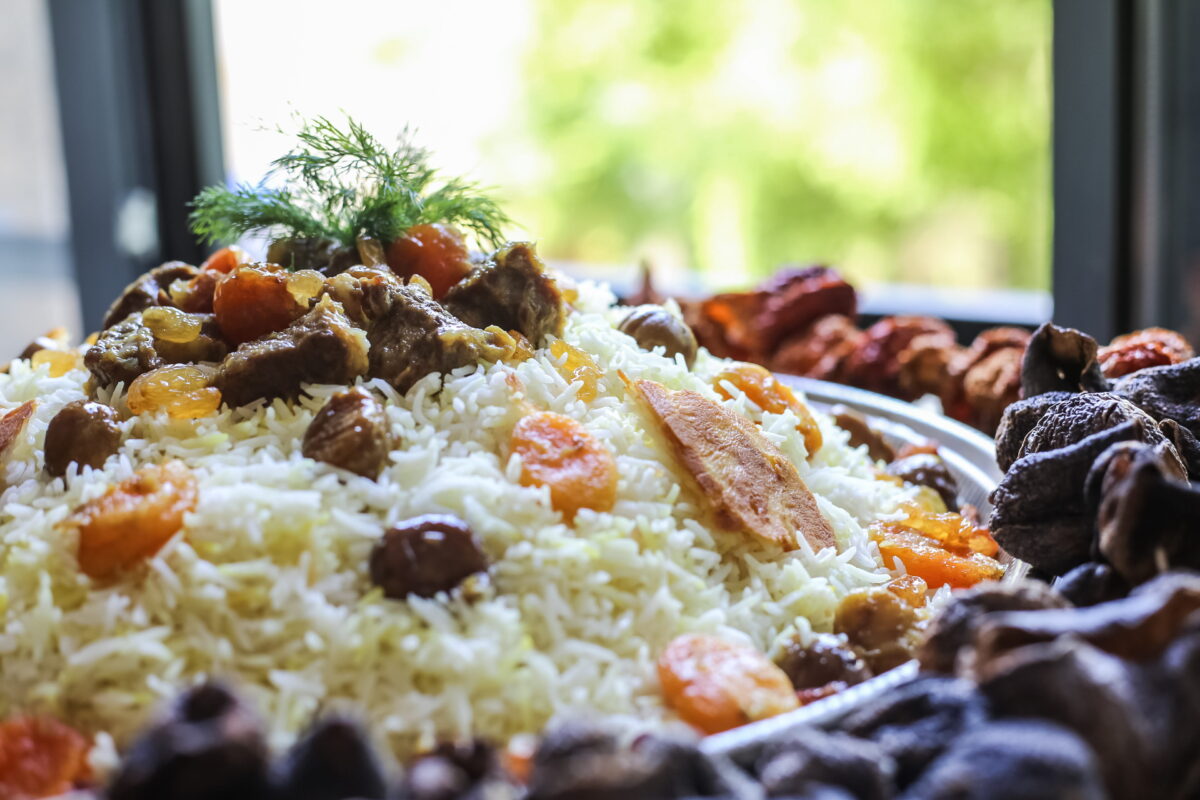
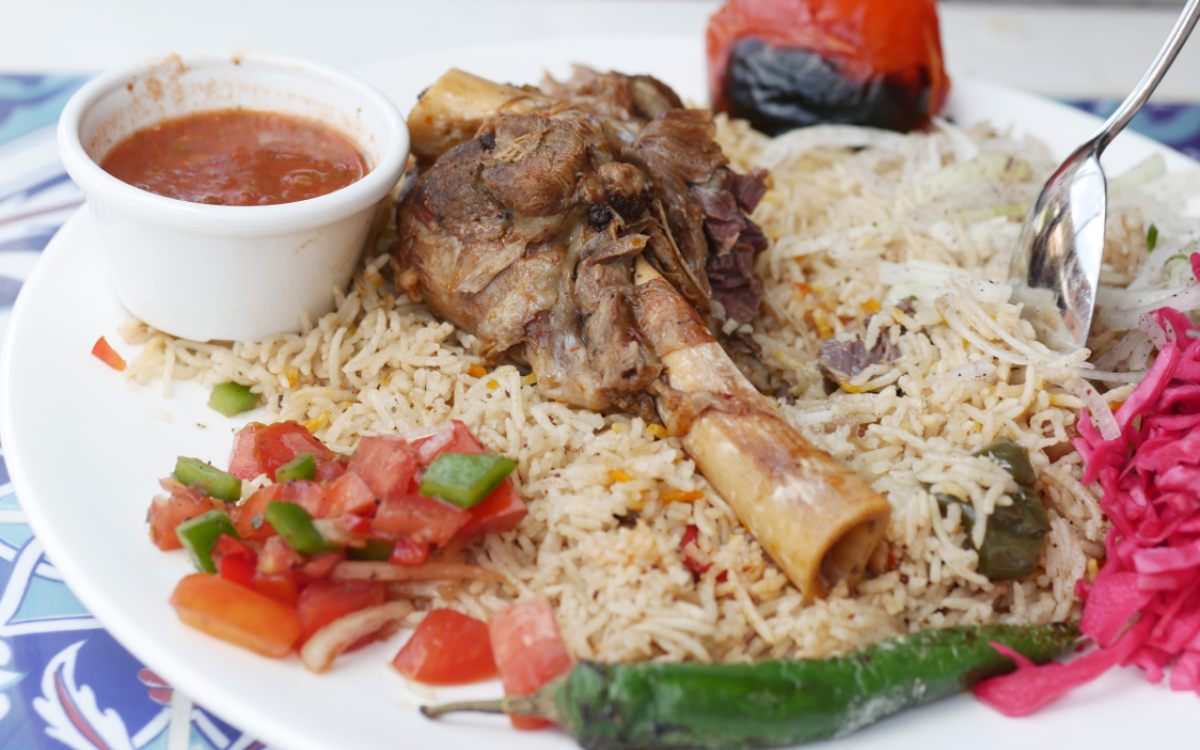
Yemeni food is a good example. Meat is often served with fragrant rice, spices, and sauces that contribute to the final taste. Slow cooking can also make a noticeable difference to tenderness and texture. A plate of halal mandi may have a distinct flavour because of the ingredients and cooking technique used in the recipe, not simply because the meat is halal.
Halal Meat vs. Regular Meat
| Factor | Halal Meat | Regular Meat |
| Dietary standard | Follows Islamic dietary requirements | Does not require halal compliance |
| Animal | Must be a permitted species | Depends on food regulations and product |
| Slaughter | Follows halal slaughter requirements | Follows applicable commercial slaughter rules |
| Certification | May carry halal certification | Usually no halal certification |
| Health value | Depends on cut and preparation | Depends on cut and preparation |
| Taste | Depends on recipe and cooking | Depends on recipe and cooking |
The table makes one point clear: halal meat vs regular meat is mainly a comparison of dietary and production standards. It should not be treated as a simple comparison between healthy and unhealthy meat.
Choosing Halal Meat for Everyday Meals
When buying halal meat for regular meals, it is better to check the source instead of relying on appearance. Look for a recognized certification mark, review package information, or ask the butcher or supplier how the meat is sourced. If you are preparing food for several people, confirming the meat beforehand can also avoid confusion.
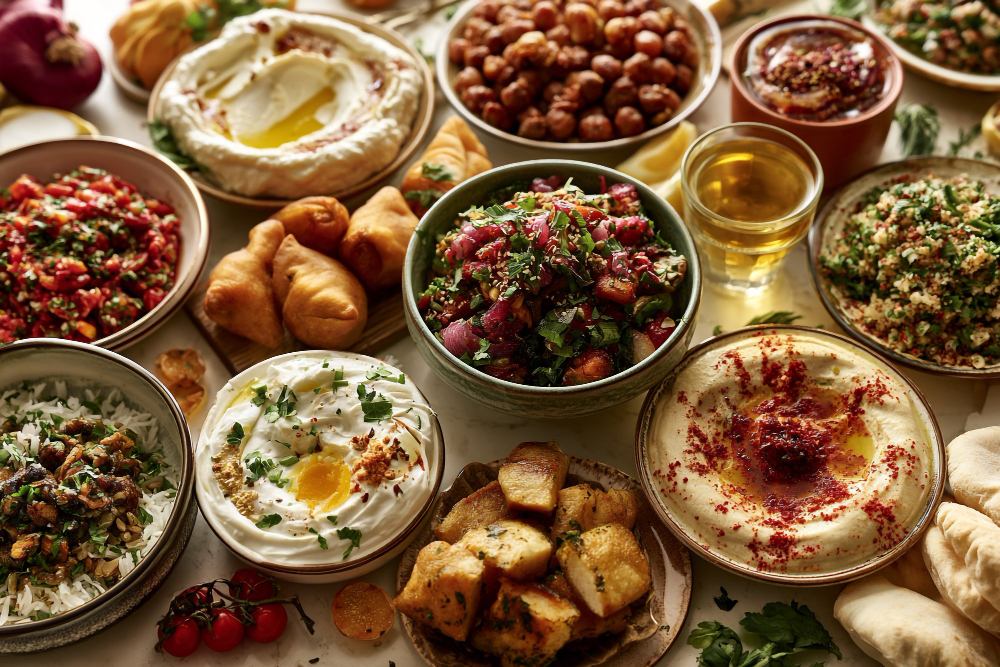
Halal meat can be used in many familiar meals, from grilled chicken and beef dishes to rice, stews, sandwiches, and family platters. That makes it suitable for ordinary home meals as well as dinners, celebrations, and gatherings where guests have different dietary requirements.
Halal Meat at Mandi Guys
For people in London, Ontario looking for halal Yemeni food, Mandi Guys provides a convenient choice. The restaurant says its meat and ingredients are certified halal and that it works with halal-certified suppliers for its dishes. The menu features chicken and lamb mandi, madfoon, family platters, and other Middle Eastern dishes.
These meals also give diners a practical example of how halal meat is used in traditional cooking. The flavour comes from the combination of meat, rice, spices, and cooking methods associated with Yemeni cuisine. Customers can eat at the restaurant, order food for takeout, or arrange halal catering for events and gatherings.
Conclusion
Knowing the meaning behind halal meat benefits makes it easier to understand why halal meat matters to many consumers. It follows Islamic dietary requirements covering the permitted animal, slaughter process, and handling, while regular meat does not have to follow those specific religious standards. The question is halal meat better depends on the reason for the comparison.
For Muslims who follow halal dietary rules, choosing halal meat provides confidence that their food meets those requirements. From a nutrition standpoint, however, the meat cut, portion, preparation, and cooking method remain important. Checking certification and asking about sourcing can help consumers choose food that suits their beliefs and eating preferences without depending on assumptions.
FAQs
What makes meat halal?
Halal meat comes from permitted animals and follows Islamic slaughter and handling requirements, including proper bleeding and other religious conditions during production.
Is halal meat healthier than regular meat?
Not by default. Nutrition depends on the meat cut, portion, cooking method, and ingredients used in the meal. The overall diet also plays a role.
What is the difference between halal and non-halal meat?
Halal meat follows Islamic dietary requirements. Non-halal meat may not meet those requirements for the animal, slaughter method, ingredients, or handling.
Does halal meat taste different?
Halal status does not decide flavour. Taste is affected by freshness, cut, seasoning, cooking method, recipe, and the style of cuisine used.
How can I know meat is halal?
Check for recognized halal certification, read the product label, or ask the restaurant, butcher, or supplier about its halal sourcing and preparation.